◈@dallascllh656
Giving Birth & Urinary Incontinence Urogynecology & Pelvic Health
Postpartum Urinary Incontinence: Exactly How To Take Care Of Loss Of Bladder Control After Birth A growing uterus areas stress on the bladder and may lead to the demand to pass urine often and, at times, incontinence. As infants grow during pregnancy, they push down on your bladder, urethra, and pelvic flooring muscle mass. This stress can compromise the pelvic floor muscle mass and lead to involuntary loss of urine (urinary incontinence) or problems passing pee.
Can postpartum bladder prolapse recover itself?
The problem likely won't vanish by itself and may intensify gradually without therapy. We generally advise starting with traditional treatment techniques whenever possible. Pelvic floor therapy and Kegel workouts may be all you require to recover your pelvic area to correct placing.
Medical Treatments
If you've tried various other treatment alternatives without seeing an enhancement in your signs, it might be time to think about surgical treatment. Procedure for urinary incontinence concentrate on supplying extra assistance for your pelvic organs to boost bladder control. If you're leaking pee postpartum, using absorbent pads or liners can assist you feel much more comfortable and positive as you recover. Numerous choices are slim, versatile, and especially made for bladder leaks. If the issue is serious and does not resolve, some repair service could need to be done. Labor and delivery may stretch, stress or even tear the muscle mass and the sustaining cells that hold the womb, bladder and anus in their correct location. The nerves might likewise be stretched Burch colposuspension and harmed, compromising the signals allowing muscle mass to function correctly. Some ladies have no damages from labor and distribution, some have damage to the nerves; some have damages to the muscles and sustaining ligaments; some have damages to every one of these locations. For some ladies these harmed muscles and tendons continue to be weak and do not entirely heal.- You may need to continue doing Kegel exercises for the remainder of your life.
- Weak or improperly worked with muscles can hinder bladder control, leading to leak throughout daily tasks.
- If you certify, we can help you accessibility top quality bladder control products, like pads and safety underwear, at no charge to you through your insurance policy plan.
- The large majority of females that give birth do not create urinary incontinence.
How Much Time Does Postpartum Incontinence Last?
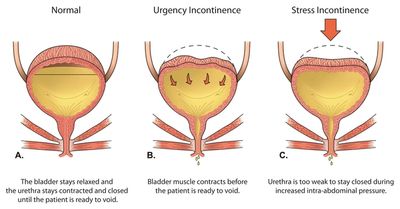
The two most common types of urinary incontinence that impact women are anxiety incontinence and prompt urinary incontinence, additionally called over active bladder. This may be since pregnancy, childbirth, and menopause may make urinary system incontinence more likely. Urinary system incontinence is not a regular part of aging, and it can be treated. Pregnancy and giving birth are tough on the body and can impact greater than your womb. The excess weight from your growing baby can tax your bladder and various other bordering organs, typically damaging the muscles that regulate pee circulation, the pelvic flooring muscles. In fact, as lots of as 4 in ten ladies experience urinary system incontinence while pregnant, and some brand-new mommies proceed having this problem after delivering. Together with Kegels, a pelvic floor physical therapist can lead you with more customized workouts that target your pelvic muscle mass effectively and safely. They may additionally suggest strategies like psychophysiological feedback to aid enhance muscular tissue control. The pressure and stretching decrease the all-natural support for your bladder, which makes you more likely to leakage urine when you cough, sneeze, and even laugh. Every one of your nerves, body organs, and muscular tissues interact, so the bladder operates correctly. At Holistic OB/GYN & Midwifery in Passaic Park, New Jacket, we recognize the importance of concern when handling this delicate issue. We aid ladies with pregnancy, giving birth, and past by building long-term connections and making use of a holistic strategy to complete health. An absence of level of sensitivity and some loss of control are likely as you heal. It takes place due to the strain that maternity and shipment place on the pelvic flooring muscle mass, nerves, and connective tissues that sustain the bladder and bowel. After delivering, these muscle mass may be extended, compromised, or temporarily harmed, making it more challenging to fully control bladder or bowel function. As a result, some people experience loss of bladder control when coughing, chuckling, sneezing, exercising, or feeling an abrupt desire to head to the bathroom. Here, we'll clarify in even more information why this happens and how to incorporate incontinence care to manage signs and symptoms. However, unless shipment takes place swiftly, the child's head remains to be pushed against the tissues. For some women this stress can cumulatively add up to numerous hours. 
◈